
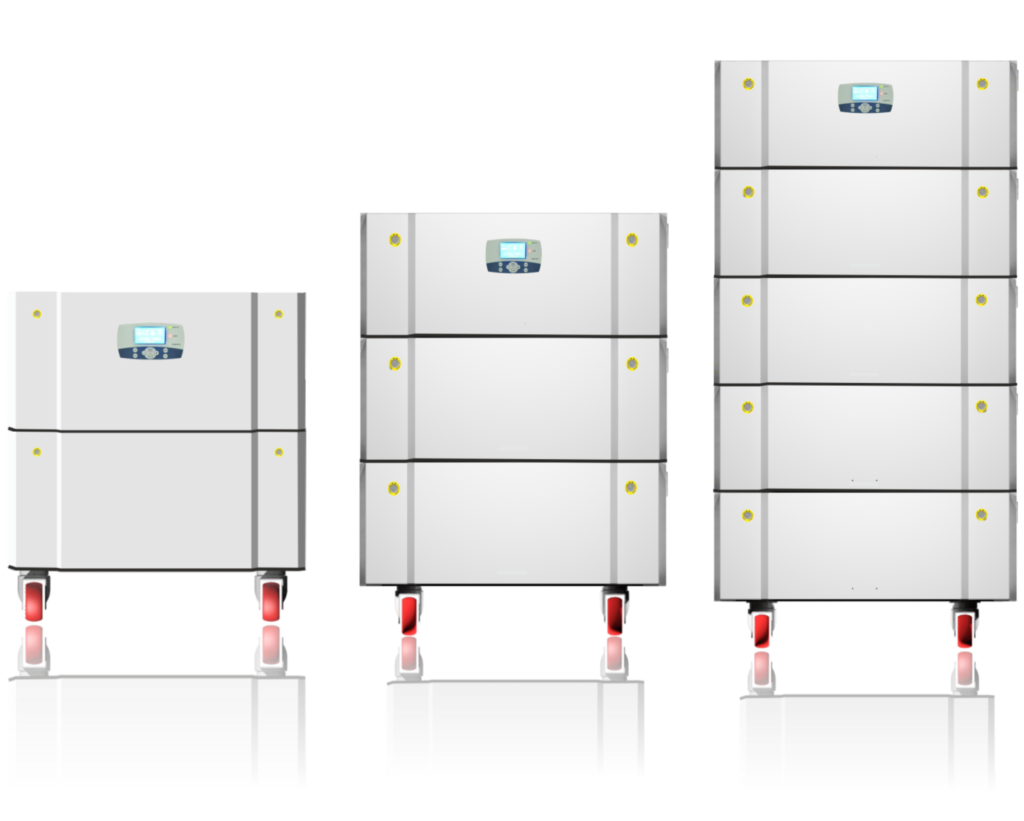
Energy storage systems play a critical role in modern power infrastructure by improving energy efficiency, reliability, and flexibility. They help balance power supply and demand, reduce peak load on the grid, and provide backup power during blackouts. ESS also enables better utilization of renewable energy by storing excess solar power generated during the day and supplying it during night-time or cloudyEnergy Storage Systems (ESS) are advanced solutions designed to store electrical energy for later use, ensuring reliable and uninterrupted power supply. These systems capture energy generated from renewable sources such as solar power or from the utility grid and store it in batteries or other storage technologies. The stored energy can be discharged when power generation is low, demand is high, or during grid outages.
Efficient Energy Storage & Dispatch
Stores electrical energy during low-demand or surplus generation periods and releases it during peak demand, improving energy utilization.
Peak Shaving & Load Management
Reduces peak power demand, lowers electricity bills, and minimizes stress on the grid.
Grid Stability & Power Quality Improvement
Provides voltage regulation, frequency control, and smooths power fluctuations.
Renewable Energy Integration
Seamlessly integrates with solar and wind systems by storing excess renewable energy for later use.
Fast Response Time
Delivers instant power support (milliseconds response) during grid disturbances or outages.
Backup & Emergency Power Supply
Ensures uninterrupted power for critical loads during grid failure.
Scalable & Modular Design
Capacity and power can be easily expanded by adding battery modules or containers.
Advanced Battery Management System (BMS)
Monitors cell voltage, temperature, SOC, SOH, and ensures safe operation.
Energy Management System (EMS)
Intelligent control of charging/discharging based on load, tariff, and grid conditions.
High Round-Trip Efficiency
Typically 90–95% efficiency for lithium-ion based systems.
Safety & Protection Features
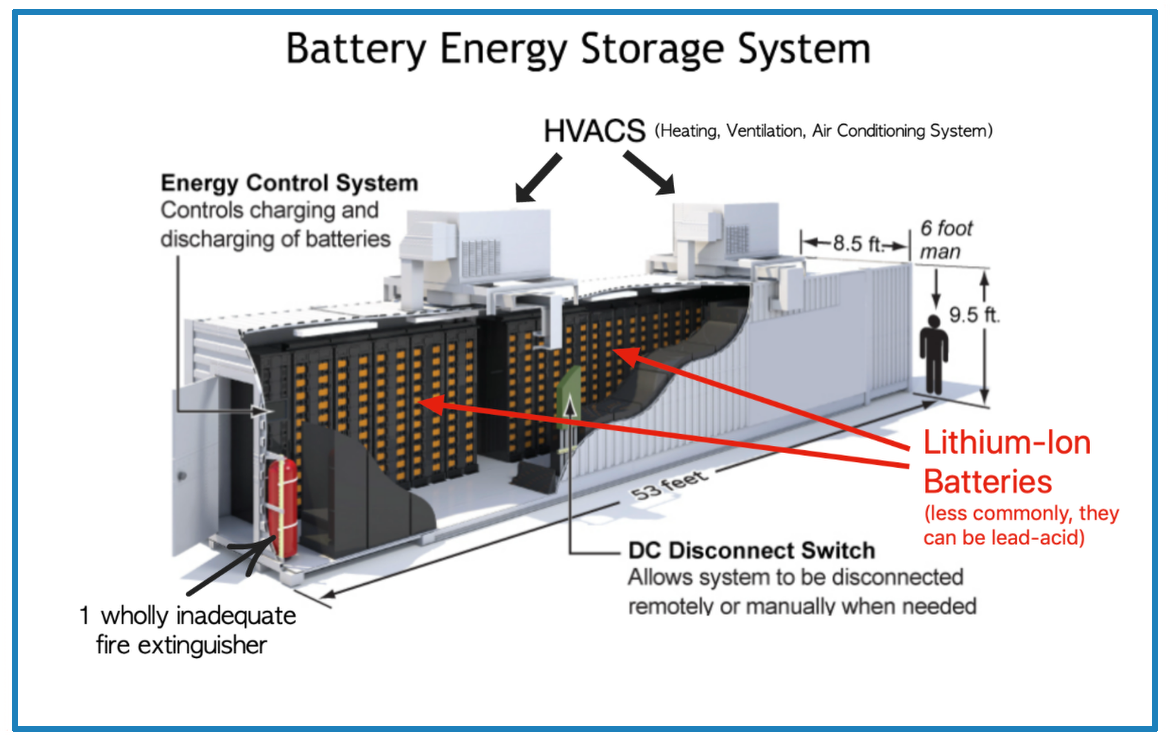
Includes fire suppression, thermal management (HVAC), DC disconnects, and multiple protection layers.
Remote Monitoring & Control
SCADA/IoT-based monitoring for real-time data, alarms, and diagnostics.
Low Maintenance Requirement
Minimal moving parts result in reduced operational and maintenance costs.